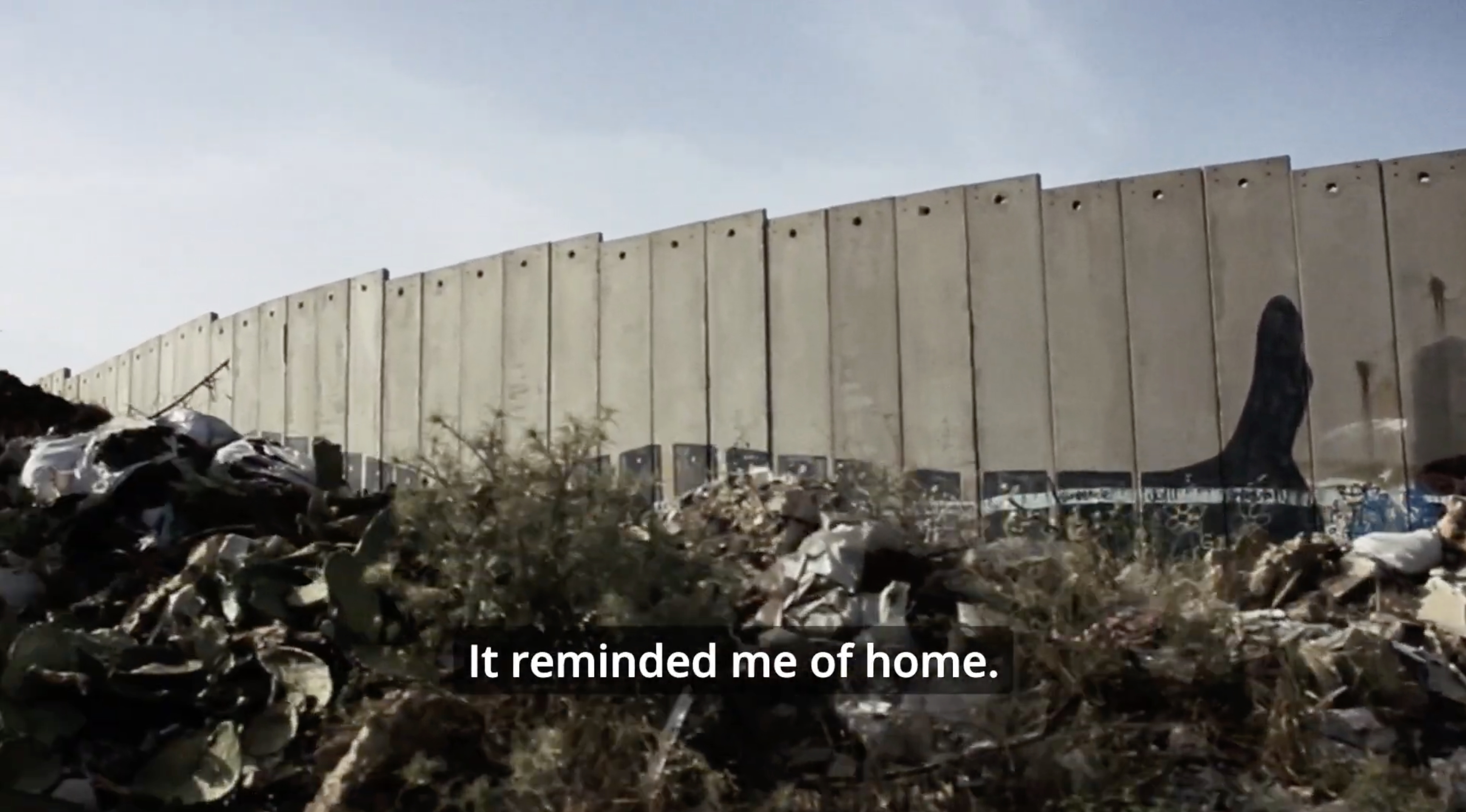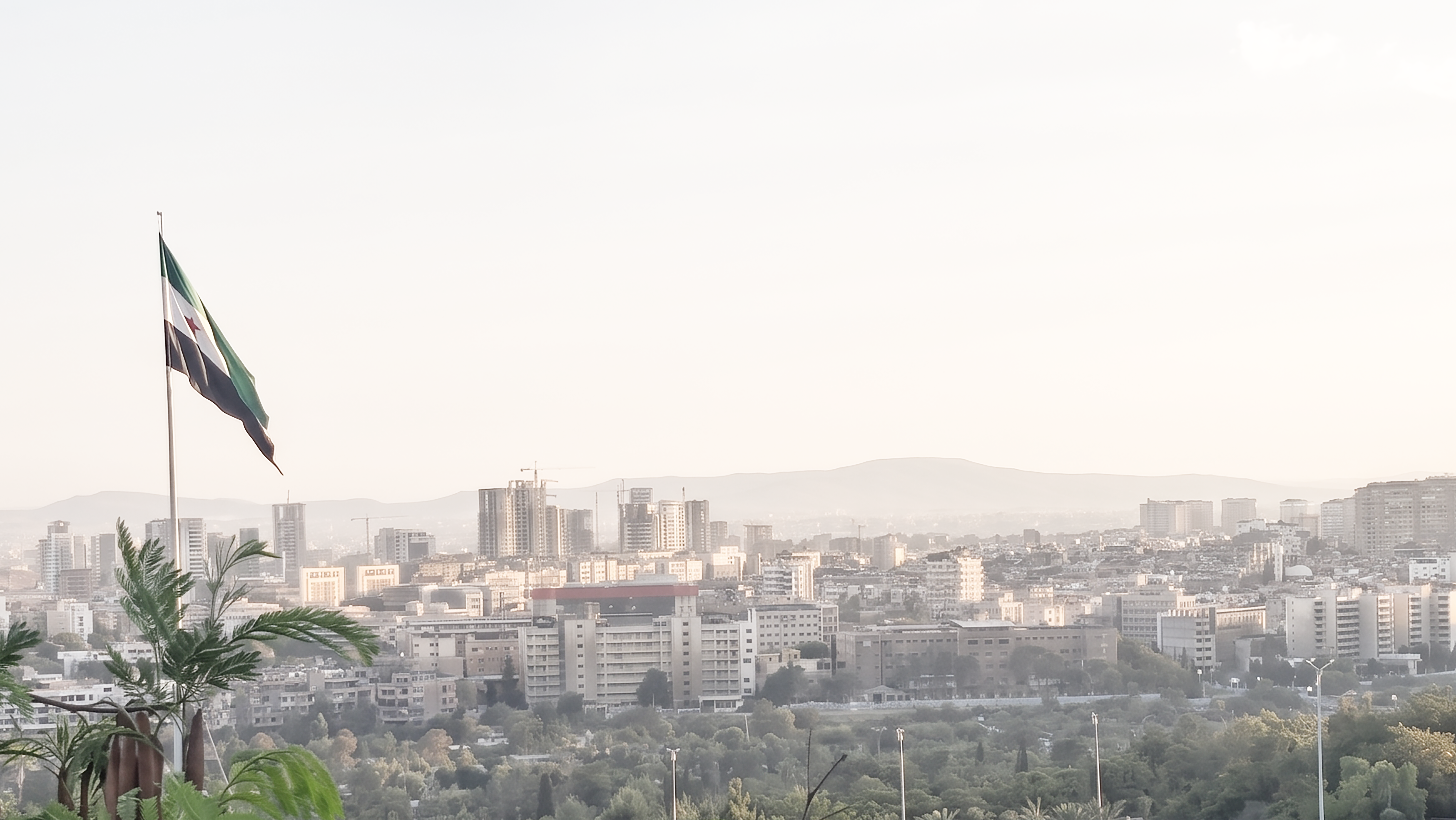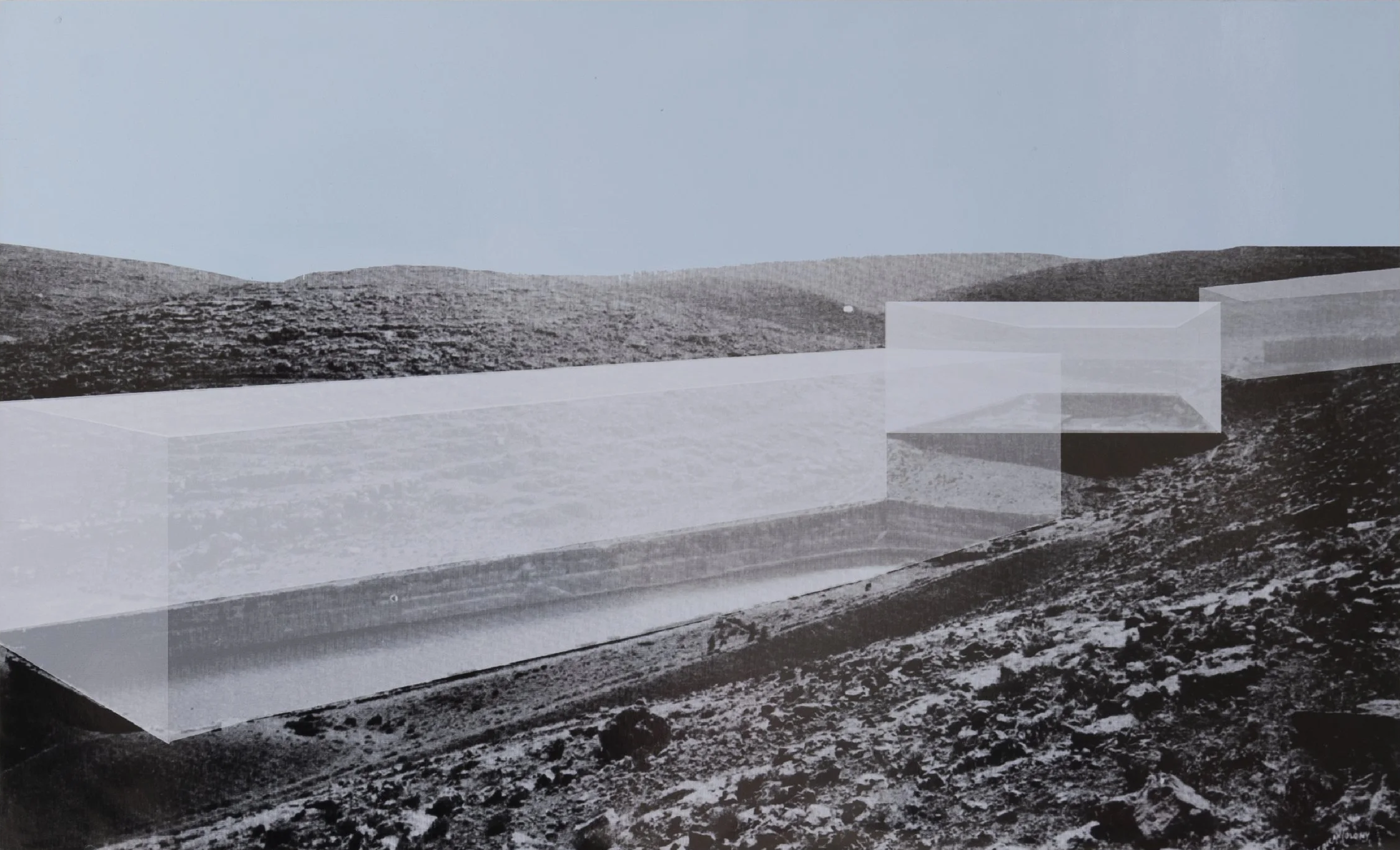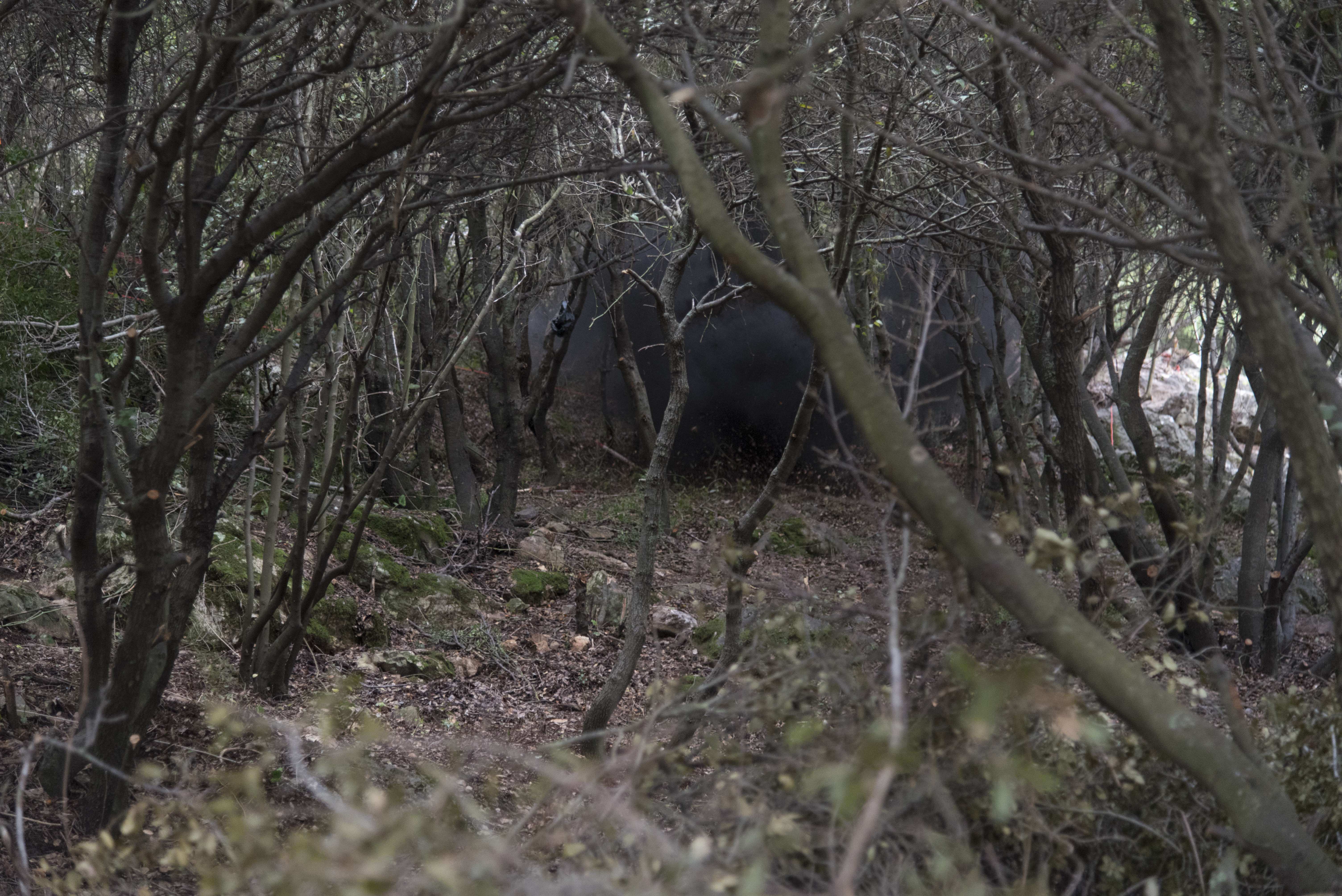
Mlita detonation by Rawan Mazeh from In Their Place, 2018-19.
In South Lebanon, return is described as movement: the crossing of a checkpoint, the reopening of a road, the journey from a place of displacement back to a village marked on a map. But return is never only movement. It is an attempt to re-enter a relationship.
People return not simply to houses, but to trees planted by parents and grandparents, to fields divided through memory rather than paperwork, to wells, terraces, pathways, graves, harvest seasons, and ways of knowing where one belongs. They return to inspect what remains alive. They search for walls, photographs, water pipes, animals, tools, and roots. They ask whether the soil can still hold what they intend to plant in it.
This is why the environmental destruction of South Lebanon cannot be understood as a secondary consequence of war. The land is not the background against which violence unfolds. It is one of its principal targets. The destruction of agricultural fields, orchards, water systems, homes, roads, and village ecologies is also the destruction of the conditions under which return might become sustainable. It attacks both what people possess, as well as what they might still build. It reaches forward.
To burn an olive grove is to attack a calendar.
It is to destroy harvests that have not yet happened, income that has not yet been earned, inheritances that have not yet been passed on, and meals that have not yet been shared. It is to interrupt the slow accumulation through which land becomes family history.
An olive tree may take years to become productive and decades to become part of a household’s economic and social life. Its destruction compresses generations of labour into a single scene of loss. What, then, does resistance mean when the struggle is not only to reclaim the land, but to restore its capacity to sustain life? And what remains of return when violence has already occupied the future?
*
The politics of making return impossible
Much of my work on displacement begins from a simple problem: people are frequently told to return long before the conditions of return exist.
Return is celebrated by states, donors, and political institutions because it appears to resolve displacement. It turns an ongoing political crisis into a completed movement. A person has gone back; a file can be closed. But the geography of return rarely resembles this administrative simplicity.
A home may still be inaccessible. A village may lack water, electricity, schools, health care, or viable roads. Agricultural land may be damaged, contaminated, burned, or too dangerous to cultivate. Livelihoods may have disappeared. Debt may have accumulated during displacement. The house may remain standing while the world that made living there possible has been dismantled.
The question is therefore not merely whether people return. It is what they are being asked to return to, and what forms of life remain possible when they arrive.
In Jabal Amel, environmental destruction intensifies this contradiction. Land is central to both livelihood and belonging, yet its devastation makes presence increasingly difficult to sustain. People may be able to physically reach their villages while remaining displaced from the economic, ecological, and social infrastructures that once held life together.
This is displacement after return: the condition of being geographically present but materially prevented from resuming life.
Such violence does not always demand permanent physical expulsion to achieve its effects. It can instead make staying exhausting, rebuilding unaffordable, farming impossible, and the future too uncertain to pass on to one’s children. It can transform return into an obligation that individuals must finance privately, even as the destruction itself is political and collective.
Under these conditions, the home becomes a site of repeated departure. Families return, leave, assess, repair, borrow, wait, and return again. Movement is neither linear nor complete. It is shaped by insecurity, uneven access, financial capacity, caregiving responsibilities, age, gender, and the availability of work elsewhere.
The language of ‘post-war recovery’ is inadequate here because the assault on futurity does not end when bombardment pauses. It continues through damaged soil, ruined crops, absent infrastructure, unexploded dangers, financial abandonment, and the slow withdrawal of the state from the work of making life possible.
War destroys quickly. Its environmental aftermath governs slowly.
*
Return is a verb
And yet people return. They return before reconstruction plans are announced, before compensation is distributed, and often before safety can be guaranteed. They clear rubble, check water tanks, reopen small shops, retrieve farming equipment, tend to damaged trees, and begin again with what remains.
This should not be reduced to the familiar language of resilience.
Resilience has become an easy way to admire people while leaving intact the conditions that require them to endure the unbearable. It turns structural abandonment into personal strength. It praises communities for rebuilding while asking too few questions about who destroyed, who profits, who pays, and why survival must repeatedly depend on unpaid and unrecognized labour.
The return to South Lebanon is not evidence that destruction has failed to cause harm. Nor does it mean that attachment to land makes loss bearable. Return can be painful, precarious, unequal, and unfinished. Some people cannot return. Others return because displacement elsewhere has become impossible. Still others move between village and city, refusing the false choice between complete return and permanent departure.
But there is something politically significant in the work of re-establishing life on land targeted for erasure.
Planting is one form this work takes.
Replanting an orchard is not a symbolic gesture detached from material need. It is an investment in a future that violence has attempted to foreclose. It requires money, water, labour, tools, time, and the expectation that one will still be there when the tree matures. To plant is to make a claim that exceeds the present.
It says: there will be another season.
This claim is neither naive nor sentimental. Farmers know better than most that land does not respond to political slogans. They understand damaged soil, irregular rain, rising costs, failed crops, and the brutal gap between the romance of cultivation and the economics of surviving from it. Replanting does not guarantee recovery. A sapling can die. A field can be attacked again. A family may be forced to leave before the next harvest.
The political force of planting lies precisely in this uncertainty. It places labour into a future that cannot be secured, but must nevertheless be insisted upon.
In conversations across South Lebanon, land is rarely described as an abstract possession. It appears through relationships and obligations: who planted a tree, who cared for it, who knows the boundaries of a field, who returns during harvest, who carries produce to market, who remains when others leave, and who will inherit the responsibility of keeping the land alive. These relationships unsettle the idea that territory is simply an area to be controlled. Land is also memory, work, sustenance, kinship, grief, and expectation. It is not only where political struggle takes place. It helps produce the social worlds through which struggle becomes possible.
*
Insurgent earth
What, then, might it mean to call this an insurgent earth?
It cannot mean imagining the land as naturally resistant, or turning ecological devastation into a reassuring story about regeneration. Burned trees do not undo violence by growing new shoots. Soil does not deliver justice by surviving those who attempt to destroy it. Nature should not be burdened with the political work that institutions and people refuse to perform.
An insurgent earth is not an earth that cannot be harmed. It is an earth whose meanings cannot be fully contained by the violence directed against it.
In South Lebanon, land is repeatedly treated by military and political power as territory: a surface to be penetrated, mapped, emptied, surveilled, divided, burned, or rendered uninhabitable. Yet those who live through and from the land encounter it differently. It is not an empty surface awaiting sovereignty. It is thick with relation.
This thickness matters.
A destroyed grove may still organise return. A damaged house may remain the centre of a dispersed family’s imagination. Seeds may be saved and replanted. Knowledge of soil, seasons, and cultivation may move with displaced people and later travel back. A village can persist as a social and political world even when much of its built environment has been reduced to ruins. The land is therefore constitutive of resistance not because it fights on behalf of people, but because relations to it allow collective life to be reorganised against attempts at disappearance.
Insurgency appears here in ordinary acts that refuse the permanence of ruin: clearing a field, repairing a terrace, restoring a water line, checking whether an olive tree can be saved, teaching a child the location of land they may one day cultivate. None of these acts is sufficient on its own. None should be romanticised. But together they reject the demand that destruction dictate the outer limits of the possible.
They also reveal why ecological violence is central to projects of dispossession. If land sustains memory, livelihood, and the capacity to imagine continued presence, then damaging it is a way of attacking more than the present population. It is an attempt to sever the transmission of place across generations. The struggle over Jabal Amel is thus not only a struggle over who controls territory. It is a struggle over whether the land will continue to anchor forms of life that exceed military occupation, abandonment, and repeated displacement.
*
What grows after devastation
Rebuilding South Lebanon cannot mean restoring isolated houses while leaving the broader ecology of life in ruins.
A serious politics of return must include soil, water, crops, livestock, roads, schools, health care, livelihoods, and the social infrastructures through which people care for one another. It must recognise that environmental recovery is inseparable from justice and that replanting cannot be left to farmers already carrying the financial burdens of war. It must also resist the depoliticising language of reconstruction. The question is not only how damaged land will be rehabilitated, but how and why it was made unlivable, who will be held accountable, and whose visions of the future will shape what is rebuilt.
There is a danger that reconstruction reproduces the violence of destruction by treating communities as recipients rather than authors of recovery. Technical assessments may measure damaged hectares while missing what those hectares mean. Compensation schemes may assign a monetary value to trees while failing to account for time, inherited labour, ecological knowledge, and the place of cultivation within family and village life.
The future of Jabal Amel, and the entirety of South Lebanon for that matter, cannot be designed only through damage assessments.
It is already being imagined by those who return to the land and ask what can still be saved, what must be replanted, and what forms of life they refuse to surrender.
The earth here is insurgent not because it promises that everything will grow back. Some losses are irreversible. Some landscapes cannot be restored to what they were. Some people will carry displacement even after they return.
Its insurgency lies elsewhere: in its capacity to collectivize and in the collective refusal to let land remain a mere record of what was done to it.
A field is also what someone intends to plant next. A damaged tree is also the question of whether its roots remain alive. A village is also the work of returning to it. And return, in Jabal Amel, is not the closing of displacement.
It is the struggle to prevent destruction from becoming destiny.
Jasmin Lilian Diab (she/هي) is the Director of the Institute for Migration Studies (IMS) at the Lebanese American University, where she also serves as Assistant Professor and Coordinator of Migration Studies at the Department of Communication, Mobility and Identity (CMI). Her recent publications cover themes of ecological warfare, sexuality and reproduction, race and labor, youth identity and blended belonging, and informal infrastructure in the context of migration in and across Syria, Lebanon, and Europe.